
How Google’s Latest AI Update Reshapes SEO for Small Businesses

How Google’s Latest AI Update Reshapes SEO for Small Businesses
Small business owners are facing a new challenge as Google confirms GEO and AEO are not separate games but elements of one broader SEO strategy. This change, full of opportunity, pushes companies to move beyond limited localized strategies and embrace comprehensive search tactics. By following a focused Google AI search optimization guide, you can stay ahead, tackling both crawlability improvements and the subtle differences of GEO vs SEO, AEO, and AI overviews optimization for small business. Understanding these shifts will help you reach more customers and improve results in tomorrow’s search.
Understanding the Impact of Google’s AI Update
Changes in SEO hierarchy with AEO and GEO
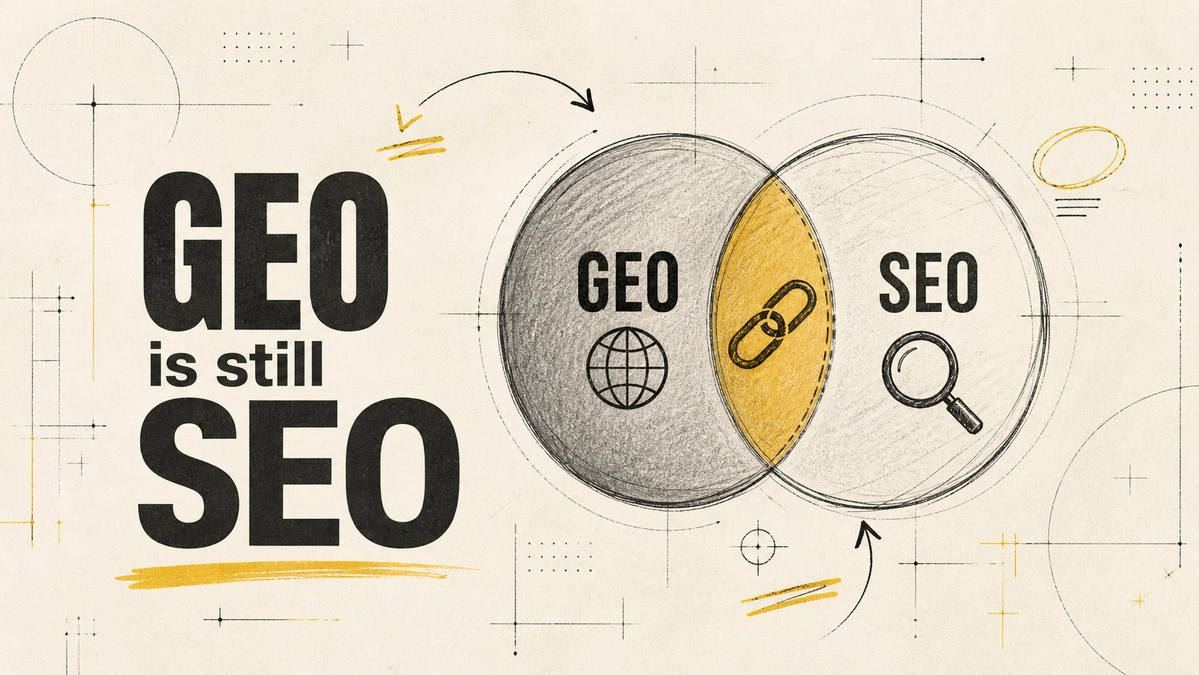
Google’s latest statement makes it clear: AEO (Answer Engine Optimization) and GEO (Generative Engine Optimization) both feed into a unified SEO strategy. These are no longer side pursuits but core pieces entwined with how websites rank and show up in AI-driven search results. Businesses must now focus on holistic search tactics, using a single lens rather than splitting energy between traditional SEO, AEO, and GEO [1]. This change means all content and technical adjustments must serve the main goal of clear, findable information.
Implications for small businesses' online strategies
No small business can afford to leave their online fate in the hands of outdated approaches. The Google AI search optimization guide has reset priorities. Instead of only chasing local ranking tricks or short-term SEO hacks, companies now need strategies that cover everything from technical health to high-quality, relevant answers. Local content still matters, but broader visibility comes from connecting all the dots—technical setup, answer-driven pages, and stronger brand signals [1].
The Necessity of Crawlability for Visibility
Best practices for improving site crawlability
If search engines cannot quickly crawl your website, your content will not rank, no matter how relevant it is. Improving crawlability means fixing broken links, cleaning up duplicate content, using clear navigation, and avoiding technical pitfalls that block bots. Focus on submitting up-to-date sitemaps and resolving slow-load issues. These improvements make a real-world impact—sites that address crawlability boost rankings by up to 30% [3]. That’s a growth lever small businesses cannot ignore.
Tools to assess and enhance crawlability
Smart businesses use trusted tools to check and solve crawl problems. Google Search Console highlights indexing issues, crawl errors, and pages blocked by robots.txt. Screaming Frog and other crawlers can mimic search engines to show you what is missing or broken. Tackling these issues with the right tools lets you see what Google and AI see and gives your site a better fighting chance for competitive keywords and answer boxes [3].
Counterarguments: The Risks of Overlooking Local SEO
Concerns about shifting away from localized strategies
Many owners fear that broad SEO focus means ignoring hyperlocal customers. The numbers show why they worry: 74% of small businesses rank local SEO as top priority because local search drives actual visits and sales [2]. Relying only on a wide-net approach risks missing real-world foot traffic and repeat clients from the same neighborhood. Local reputation and map placement still matter, especially for those selling offline or via location-based services.
Why broader SEO remains essential for visibility
Relying solely on local tricks limits your long-term potential. Google’s new direction expects sites to serve both local and broader audiences using unified tactics. Strong crawlability, structured data, and clear answers all help your local rankings while also building authority in wider searches. Businesses that “think bigger” are better positioned to absorb future AI changes and satisfy both local and generic search intent—gaining more total customers [1].
Practical Steps for SEO Optimization
Creating clear content that answers customer questions
Google’s AI overviews rely on your site’s ability to directly answer real customer questions. Your content needs to be obvious, direct, and free of fluff or jargon. Predict the top five things any new visitor might ask about your service or product, and address them on well-structured pages. This approach makes your business more attractive to AI search and helps you win featured snippets and answer boxes for both local and broad queries [1].
The importance of structured data and brand mentions
Adding structured data is a misunderstood cheat code for small businesses. Schema markup talks directly to Google, clarifying who you are, what you offer, opening hours, and more. This increases your odds of showing up with rich details in results [4]. Real-world case studies back this up: a local restaurant saw visibility jump 40% after fixing crawlability and implementing structured data—a result far more effective than buying new SEO tools [5]. It’s proof that brand signals and tech basics beat one-off tricks.
Frequently Asked Questions
What is the difference between GEO and AEO in SEO?
GEO, or Generative Engine Optimization, is about tailoring your site for AI-driven overviews and natural answers. AEO, or Answer Engine Optimization, focuses more narrowly on providing direct, concise answers to search queries. Both now belong within broader SEO, not as competing strategies [1].
How can I improve my website's crawlability?
Fix broken links, create a functional sitemap, avoid duplicate content, and speed up your pages. Use tools like Google Search Console and Screaming Frog to analyze and resolve crawl errors. Prioritizing crawlability can improve your site’s ranking by up to 30% [3].
Why is structured data important for SEO?
Structured data, such as schema markup, helps Google understand your site’s key details. It can lead to rich results, such as ratings or opening hours, increasing your visibility and click-through rates in search results [4].
What should I prioritize for my SEO strategy moving forward?
Prioritize crawlability, create clear content that answers real customer questions, and implement structured data. Build brand mentions and focus on unified search strategies that serve both local and broader audiences. This aligns with where Google’s AI updates are heading [1].
Google’s unified strategy for SEO, AEO, and GEO is reshaping the playbook. Small businesses willing to rethink tactics and embrace clear content, crawlability improvements, structured data, and brand signals will see real results. Tuning your strategy to these shifts prepares you not just for today’s battles, but for the AI-driven changes coming next.
References
Google Search Central — A guide to Google Search ranking systems
Rio SEO — 2023 Local search consumer behavior study
Search Engine Land — Crawlability 101: Fix SEO to get seen by search engines
SEMrush — What is schema markup? And how to add it to your site
BrightLocal — How a Small SEO Consultancy Improved Client Rankings while Saving $16K a Year
Comments
Be the first to comment.
Related reads
Why Google Can Crawl Your React Site But Not See the Content
Understanding that Google may crawl your React app does not guarantee it sees your content. Learn how to optimize your React website for better SEO and visibility.

Protecting Your Systems: Why AI Agent API Security is Non-Negotiable
AI agents with broad API access pose significant security risks. Learn why restricting access and implementing strong approval processes are crucial for your organization's safety.

